As this year comes to a close, we find ourselves pausing — not because the work is finished, but because reflection is part of responsible storytelling.
At The Esperanza Project, the past year has been one of sustained listening: to communities defending land and water, to artists preserving memory, to women carrying ancestral knowledge forward, and to people navigating displacement, violence, and political uncertainty with dignity and courage. It has also been a year of bearing witness — sometimes to hard truths, sometimes to quiet victories, often to the long, patient work of hope.
Para leer esta historia en Español haz click AQUÍ
It has also been a year of extraordinary effort behind the scenes. Much of this work has been carried out with little or no funding, fueled by commitment rather than sustainability. As we look back — and ahead — it feels important to say this clearly: for Esperanza’s rare brand of regenerative journalism to continue, it must also be supported.
Rather than a single narrative, 2025 unfolded for Esperanza as a constellation of interconnected stories, grounded in place and lived experience, yet resonating far beyond their geographic borders.

Land, Water, and the Defense of Life
One of the clearest throughlines of the year was the defense of land and water — not as abstract environmental issues, but as matters of survival, identity, and sovereignty.
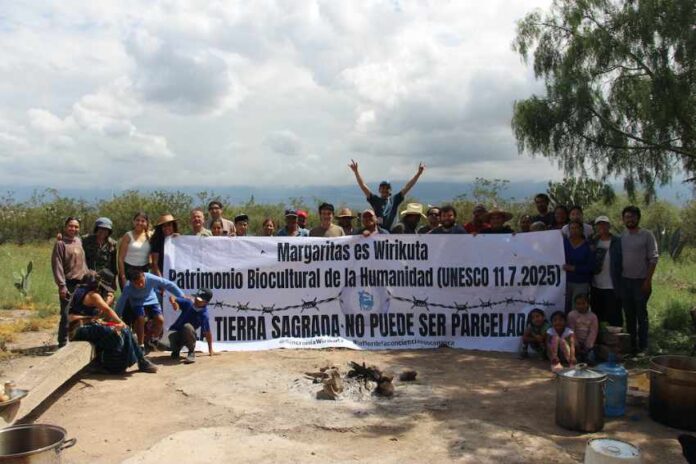
From reporting on megadams and river resistance in Sonora, to the ongoing struggles around Wirikuta, to stories exploring the Rights of Nature in Ecuador, Esperanza’s coverage consistently centered Indigenous and community-led perspectives. These were not stories of protest alone, but of cosmology, memory, and responsibility — of people asserting that rivers are not merely resources, deserts not empty, and territory not negotiable.
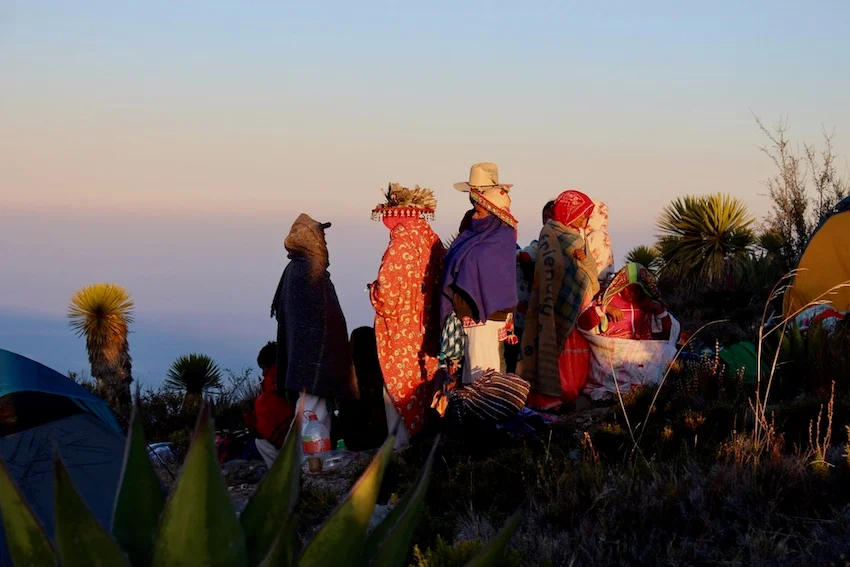
The UNESCO recognition of the Wixárika pilgrimage route marked a milestone, but our reporting asked the necessary next question: What comes after recognition?
As fences came down in some places and new threats emerged in others, the answer proved complex. Protection is not a single act; it is an ongoing relationship — one that requires vigilance, presence, and continued storytelling.
Memory as Resistance
Another powerful current running through the year was the role of memory — personal, collective, ancestral — as a form of resistance.
Stories rooted in Día de los Muertos, ancestral ceremony, and intergenerational remembrance explored how communities refuse erasure by remembering out loud. Whether through altars, pilgrimages, or oral histories, memory functioned not as nostalgia, but as a living force shaping present action.
In Colombia, Ecuador, Mexico, and across Indigenous territories, Esperanza’s reporting showed how remembering is often the first step toward healing — and toward accountability. In contexts shaped by violence or dispossession, telling the truth about what happened is itself an act of courage.
Women, Spirituality, and the Sacred as Political Ground
This year also made visible something that has long been true: women are at the heart of many of the most transformative movements of our time.
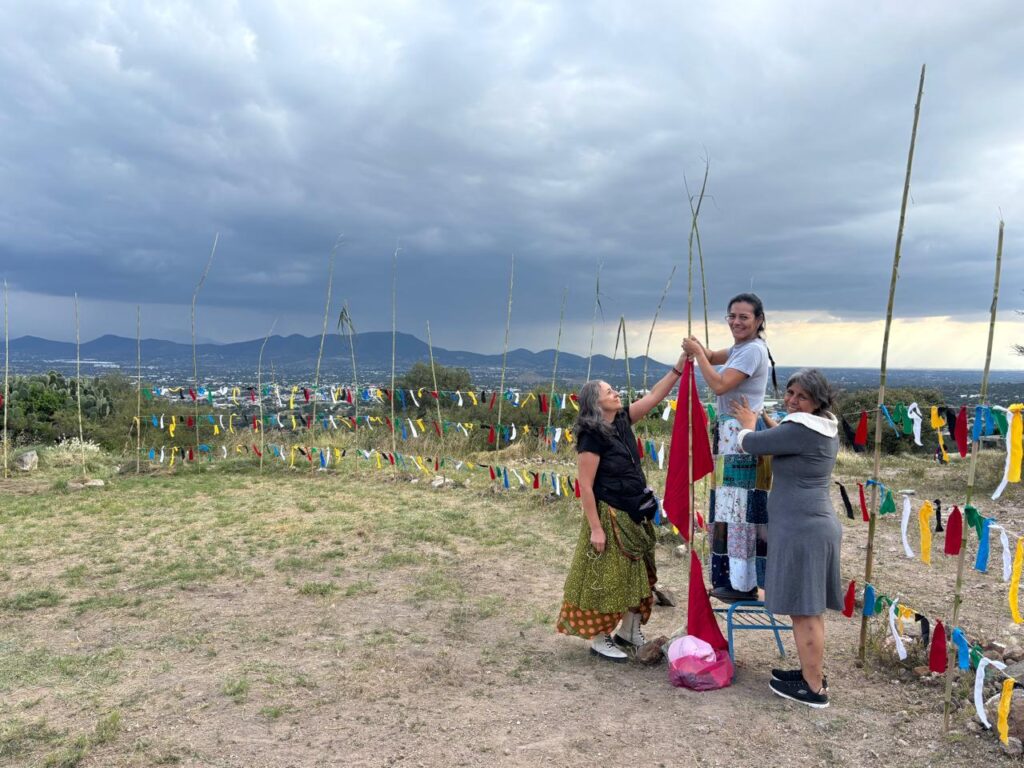
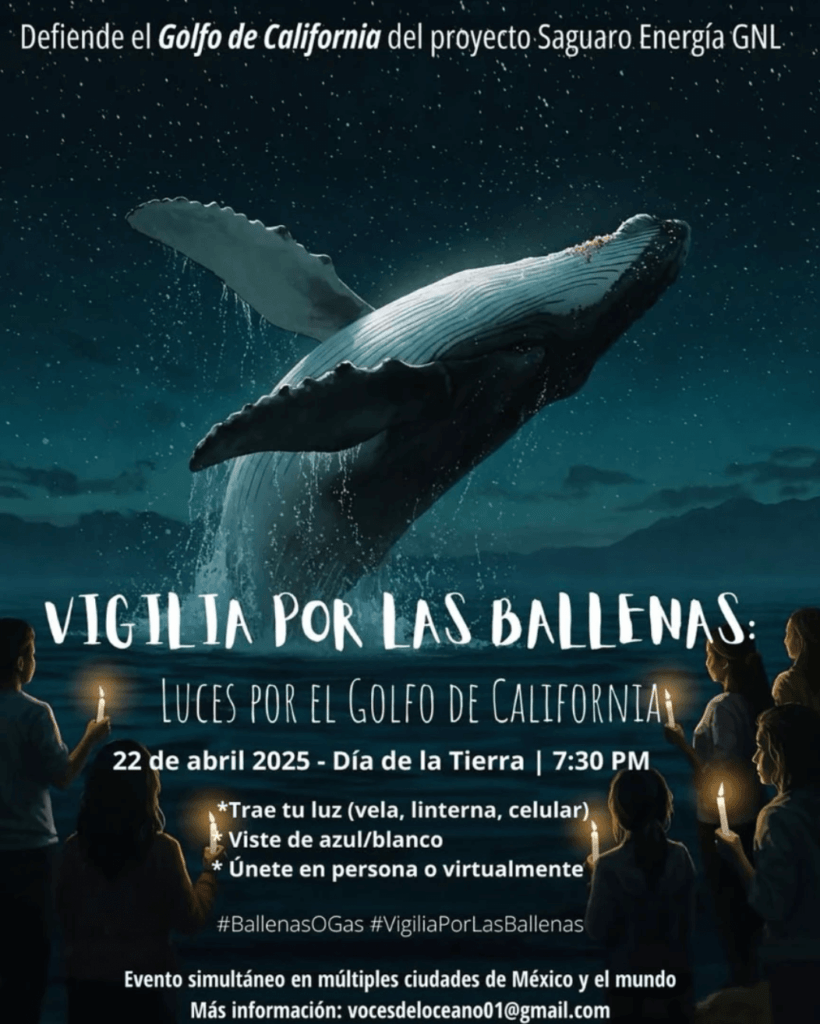
Stories such as Beatriz Padilla’s hunger strike against Saguaro LNG, framed not as spectacle but as moral testimony, underscored how women’s bodies often become sites of resistance in the face of ecological destruction. Alongside this, Esperanza’s Moon Dance series explored women’s spirituality, ceremony, and collective healing — not as a retreat from politics, but as a foundation for it.
Through first-person accounts of the Moon Dance, Earth-based women’s ceremonies, and sacred cycles, we documented how spirituality can be a source of strength, clarity, and organizing power. These pieces affirmed that tending to the spiritual and emotional wounds of colonialism and patriarchy is inseparable from the work of defending land, water, and life itself.
Across borders, these stories challenged dominant narratives of power by showing how transformation often begins quietly — in ceremony, in community gatherings, in shared prayer, and in the reclaiming of women’s bodies as sites of wisdom rather than sacrifice.
Migration, Borders, and Belonging
Migration continued to shape Esperanza’s reporting this year, particularly from Mexico and Central America, but also within the United States.
Stories of migrants rebuilding their lives, legal clinics supporting displaced communities, and grassroots solidarity efforts revealed migration not as crisis alone, but as a deeply human process shaped by global inequalities, climate disruption, and political choices.
By centering migrant voices — especially women — Esperanza sought to complicate simplistic narratives and instead highlight resilience, creativity, and the rebuilding of home in unfamiliar places.
Art, Culture, and the Work of Continuity
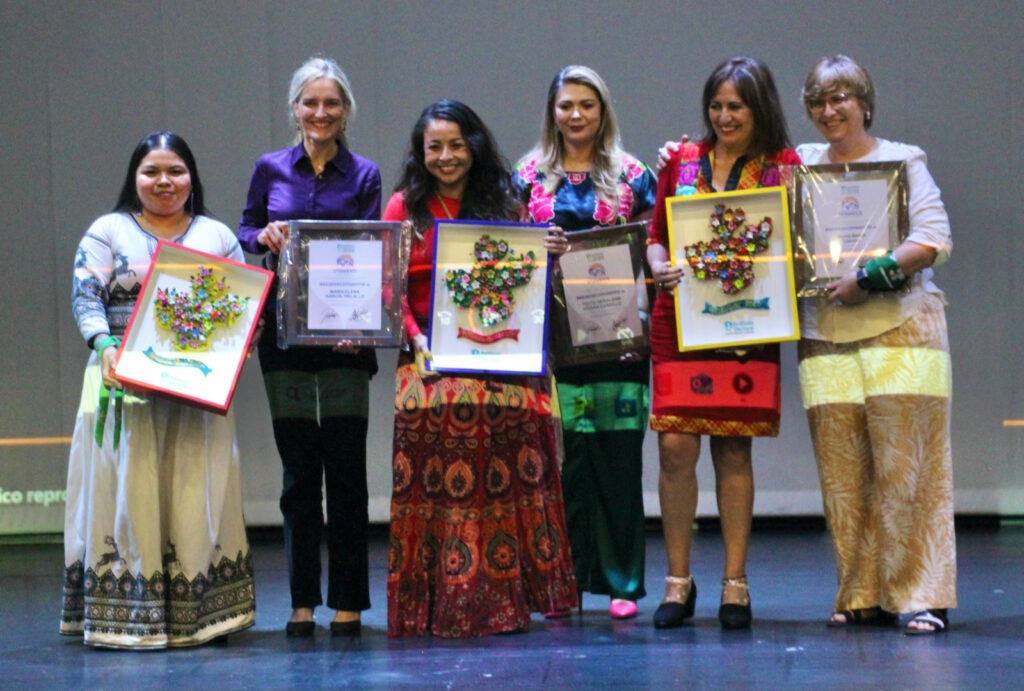
Art and culture were not treated as side stories this year, but as essential sites of resistance and renewal.
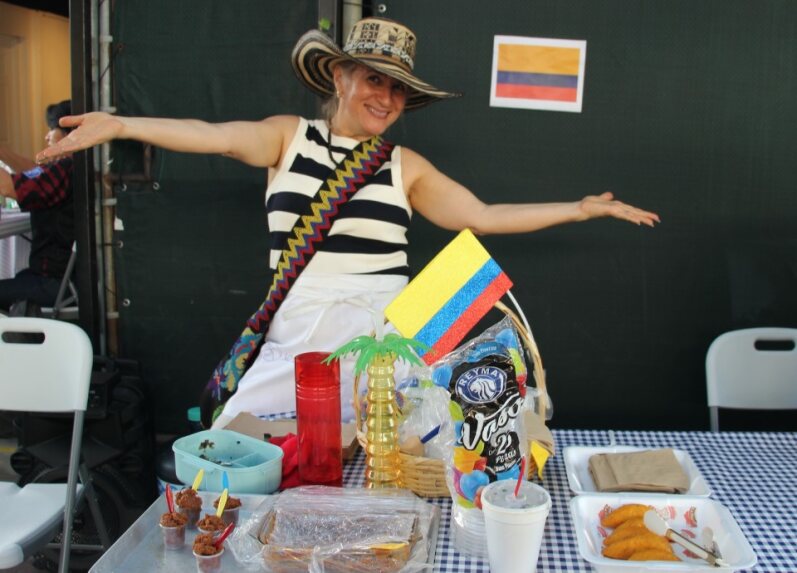
From community art festivals to Indigenous language revitalization, from music in war zones to painting as protest, Esperanza documented how culture carries memory forward when institutions fail to do so.
These stories asked readers to consider: What does it mean to preserve dignity? Who decides what knowledge matters? And how do communities pass wisdom forward in times of upheaval?
Journalism as Relationship — and Responsibility
Looking back on the year, one thing becomes especially clear: Esperanza’s journalism is relational.
Many stories emerged not from press releases, but from long-term relationships — conversations sustained over months or years, trust built slowly, and accountability maintained through return visits and follow-ups. This approach resists the speed and sensationalism that dominate much of today’s media landscape.
But it is also labor-intensive. It requires time, travel, translation, editing, and care — and for Esperanza to continue doing this work ethically and independently, it must be financially sustainable.
Looking Ahead — and Asking for Your Support
As we look toward 2026, the work ahead feels both urgent and expansive.
Esperanza will continue deepening its coverage of land and water defense, Indigenous sovereignty, women-led movements, and cross-border solidarity. We are also preparing new collaborations, expanded multimedia storytelling, and more spaces for dialogue that bridge journalism, spirituality, and community action.
To do this, we need your help.
If Esperanza’s journalism has informed you, moved you, or given you hope, we invite you to support this work with a year-end contribution. Donations of any size make a difference — and help ensure that this kind of slow, ethical, community-rooted journalism can continue.
If you believe in the value of what we’re doing, please help us with a like, a comment, or a share, either from our Esperanza Project Facebook, Instagram or Twitter (X) pages, or from our personal pages.
To keep Esperanza alive, support us via a PayPal donation, Venmo (@Tracy-Barnett-43), Zelle (+1 573 530 7719), and credit card via Google Pay; you can also write an old-fashioned check to The Esperanza Project, 1335 Wilderness Drive, Hillsboro, MO, 63050. Or, you can join us on Patreon and receive exclusive content for as little as $2 per month.
Every contribution helps sustain independent journalism rooted in dignity, accountability, and hope.
The world is entering a period of profound uncertainty — politically, ecologically, and socially. But this past year has made one thing abundantly clear: hope is not naïve optimism. Hope is something people practice, every day, often under extraordinary pressure.
Esperanza exists to document that practice.
With your support, we can continue.

- A Year of Listening, Resistance, and Hope: Reflections from The Esperanza Project - December 30, 2025
- Arts to Breathe: A Continental Act of Dignity - November 28, 2025
- “It’s not grass, it’s a milpa”: Defending Life on Avenida Federalismo - October 8, 2025