By Tracy L. Barnett
For the Houston Chronicle
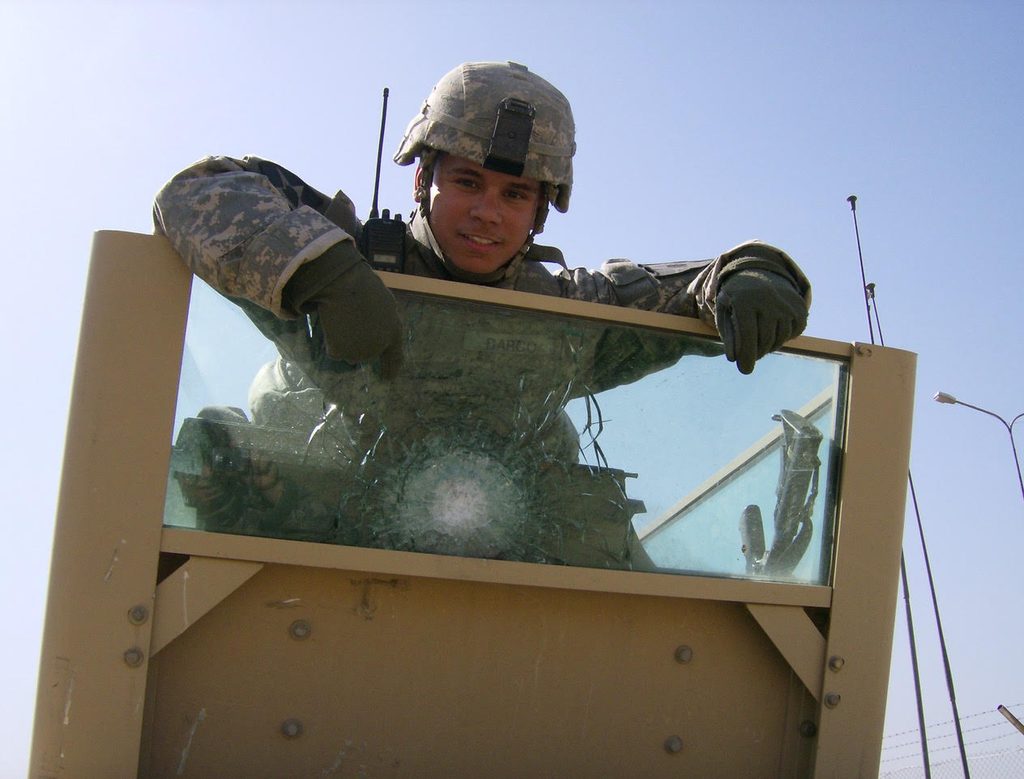
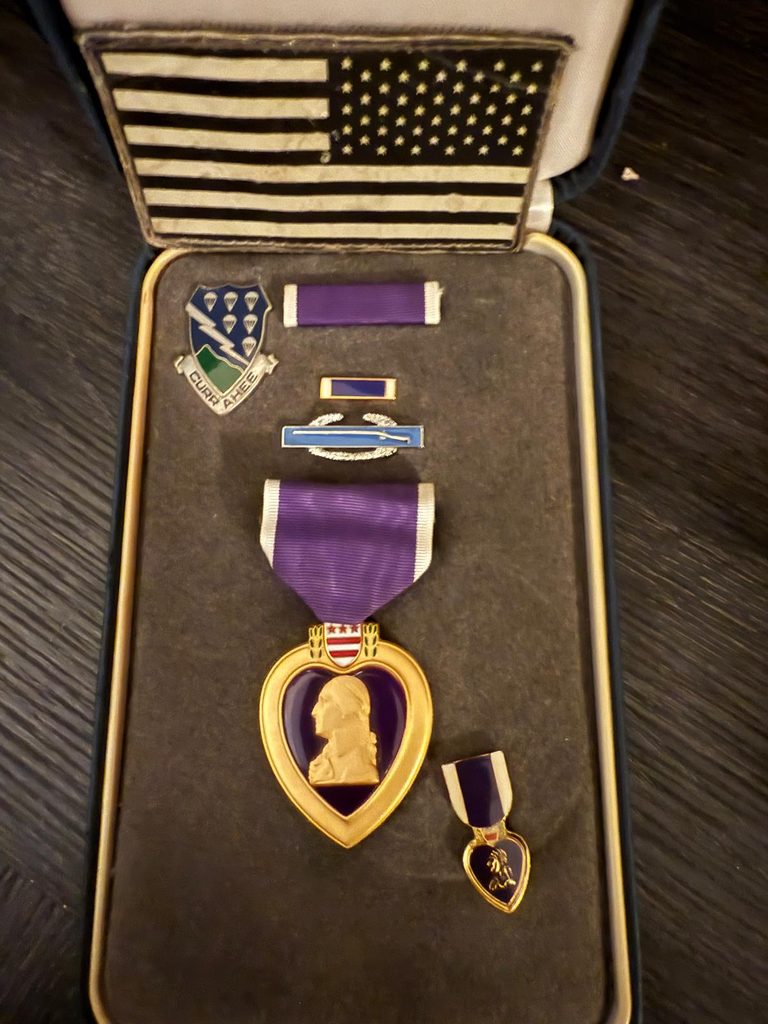
On Veterans Day 2004, 19-year-old Jose Barco was nearly killed serving the United States in Iraq. A suicide bomber attacked his platoon, killing fellow soldiers. Jose helped rescue two trapped comrades, sustaining severe burns and a traumatic brain injury. He received a Purple Heart. After months of recovery, he returned to Iraq for a second tour.
In a bitter turn, on Veterans Day 2025, immigration officers shackled him before transporting him to the border. Three days later, the United States deported him to Mexico, a country where he had never lived.
The wounds of war do not disappear when a soldier comes home. Neither does America’s responsibility for those who bear them. Yet immigrant veterans face deportation even after serving prison sentences, leaving families to bear consequences they never volunteered for. The gap between America’s promises and its policies grows wider.
Jose came to the United States at four and enlisted at 17. While serving, he applied for citizenship. Government records show his application was received but never processed.
He returned with PTSD and a traumatic brain injury. PBS’s “Frontline” documented gaps in his treatment amid worsening symptoms and alcohol problems: prescription drugs, including Ambien, which can impair judgment and lower inhibitions. With military mental health services overwhelmed, he received only a few counseling sessions.
Those conditions do not excuse his crime. In 2008, following an altercation at a Colorado Springs party, Jose fired at a house, wounding a pregnant woman in the leg. He was convicted of attempted murder.
His wife, Tia, has lived in the Houston area for six years.
“I’m not asking anyone to excuse his crime,” she says. “He was held accountable. He spent more than 15 years in prison.”
Originally sentenced to 52 years, later reduced to 40, Jose was a model prisoner who taught English and math, according to NPR. After serving more than 15 years, he won parole.
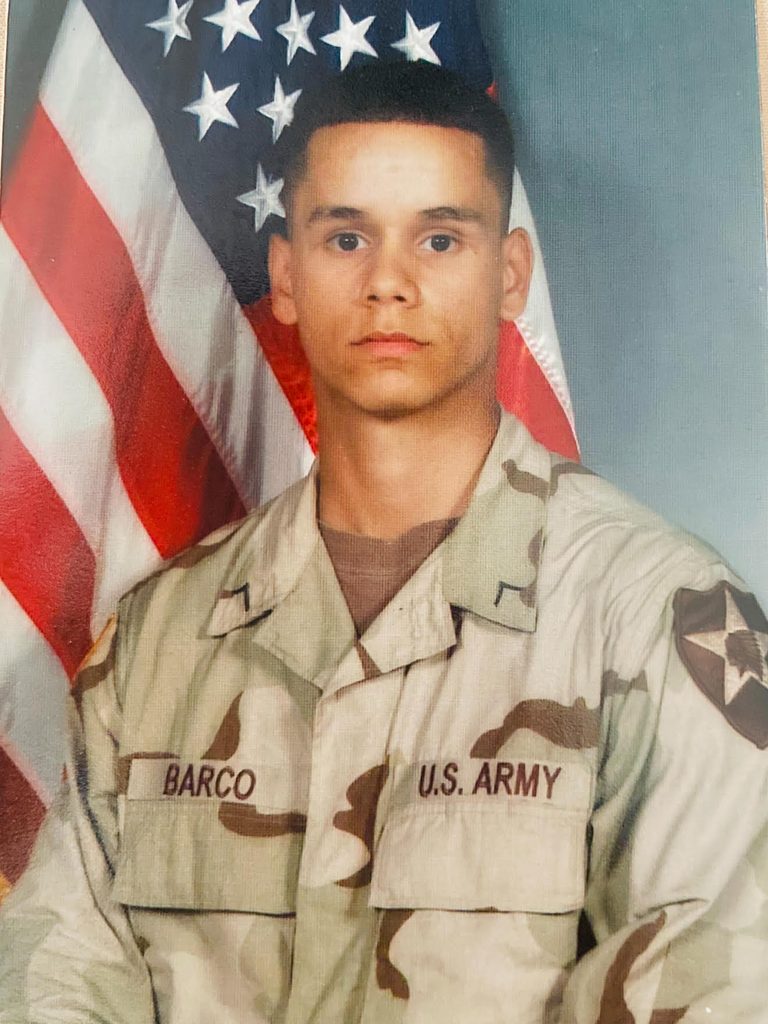
But freedom never came. Immigration authorities detained him immediately, and today, a U.S. war hero and 100% disabled veteran is among the tens of thousands of non-Mexicans deported from the United States to Mexico, forced to apply for refugee status in a country they’ve never called home.
Through the separation, Tia spent more than 16 years raising their daughter. Deportation denied the couple even the chance to discover whether they could rebuild their marriage.
“I feel like America has stolen my family twice,” she wrote.
“The first time, I lost the life we were supposed to build together. The second time, I lost the opportunity to find out whether we could ever rebuild it.”
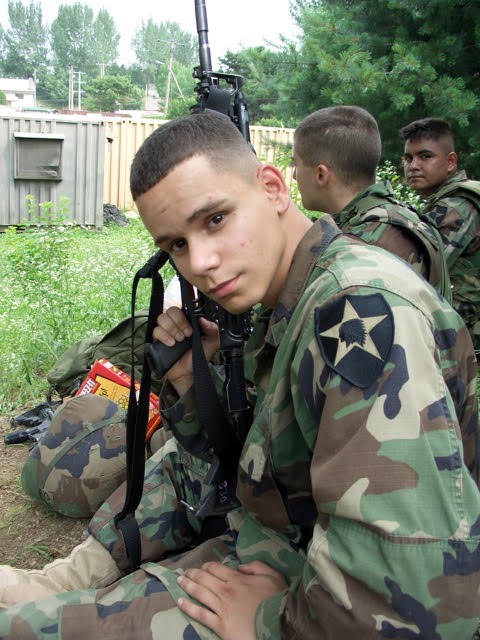
She says VA evaluations documented Jose’s PTSD and brain injury. His U.S.-citizen daughter has spent most of her childhood without him. “That’s something she’ll never get back.”
Federal figures show that immigration authorities arrested 125 veterans in roughly Trump’s first year back in office — matching the previous seven fiscal years combined. The Associated Press documented more than 50 military spouses and parents detained, at least six deported.
Alfonso Rivas is an Air Force veteran deported in 2001, following a DUI-related charge he links to service-related PTSD. He spent more than two decades in Ciudad Juárez, just across the border from family in El Paso.
“I’m not proud of what I did, but I didn’t know how to handle it, and I didn’t know where to seek help,” he said. During his exile, family members died, and he was still barred from crossing the border.
He returned to the U.S., regained permanent residency and became a citizen this year with help from fellow veterans and the Deported Veterans Coalition, including The Rhizome Center for Migrants, which I work with. The Rhizome Center is a Houston nonprofit that provides services to people deported from the United States and is based in Mexico, where hundreds of deported veterans and military spouses are spending Veterans Day.
Despite being eligible for citizenship, Alfonso feared detention at his own naturalization ceremony and remains anxious about crossing the border, even with his U.S. passport.
“Being treated like this, after serving your country, it’s not correct,” he said. “It’s not special treatment. It’s just respect.”
Yet U.S. Citizenship and Immigration Services suspended naturalization interviews and oath ceremonies at border crossings for certain veterans abroad in September 2025, leaving veterans who are inadmissible to the U.S. but eligible for citizenship unable to complete their naturalization process. Even in cases where veterans have requested a discretionary parole to reenter the country, those requests have not been approved, leaving some eligible veterans without a pathway to citizenship. Congress should create the necessary mechanisms to ensure that current servicemen, military families, and veterans receive America’s promise and that those who served this country have a place in it.
“Veterans should not have been deported in the first place,” said Tran Dang, the Rhizome Center’s founder and an immigration attorney from Houston. “Those who put their lives on the line for the United States should have a place in the country they defended and protected.”
This Veterans Day, while Jose and some thousand deported veterans are unable to return home, Tia offers the measure of whether we mean the gratitude we express each November:
“So maybe this Veterans Day, we should think a little harder about what ‘support our troops’ really means.
“Maybe supporting our troops should mean standing by them when they come home, too. Not just honoring what they sacrificed, but taking responsibility for what those sacrifices continue to cost them and their families.”
Tracy L. Barnett is an independent journalist and communications consultant with The Rhizome Center for Migrants based in Guadalajara, Mexico.

- These vets put their lives on the line for America. America deported them. | Opinion - November 12, 2026
- Protesters demand clean water in Guadalajara and are met with repression at Casa Jalisco - October 12, 2026
- Arts to Breathe: Guadalajara’s Barrios to Host International Arts Festival - September 17, 2026
Previous Next