Text and photos: Víctor Ibarra
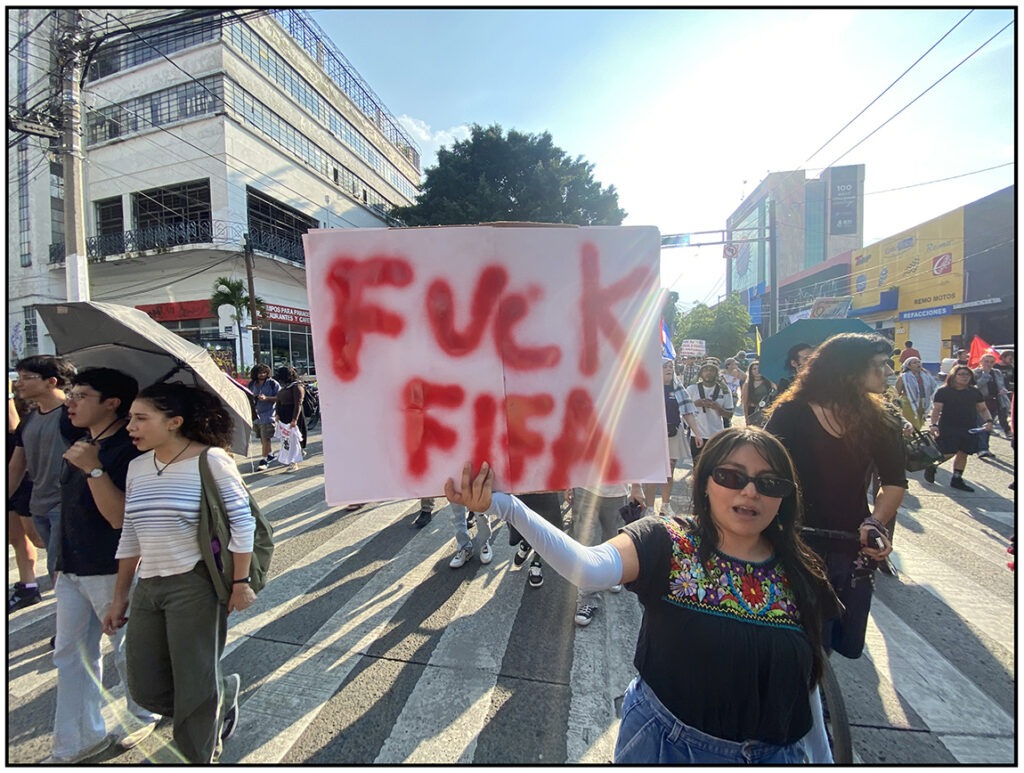
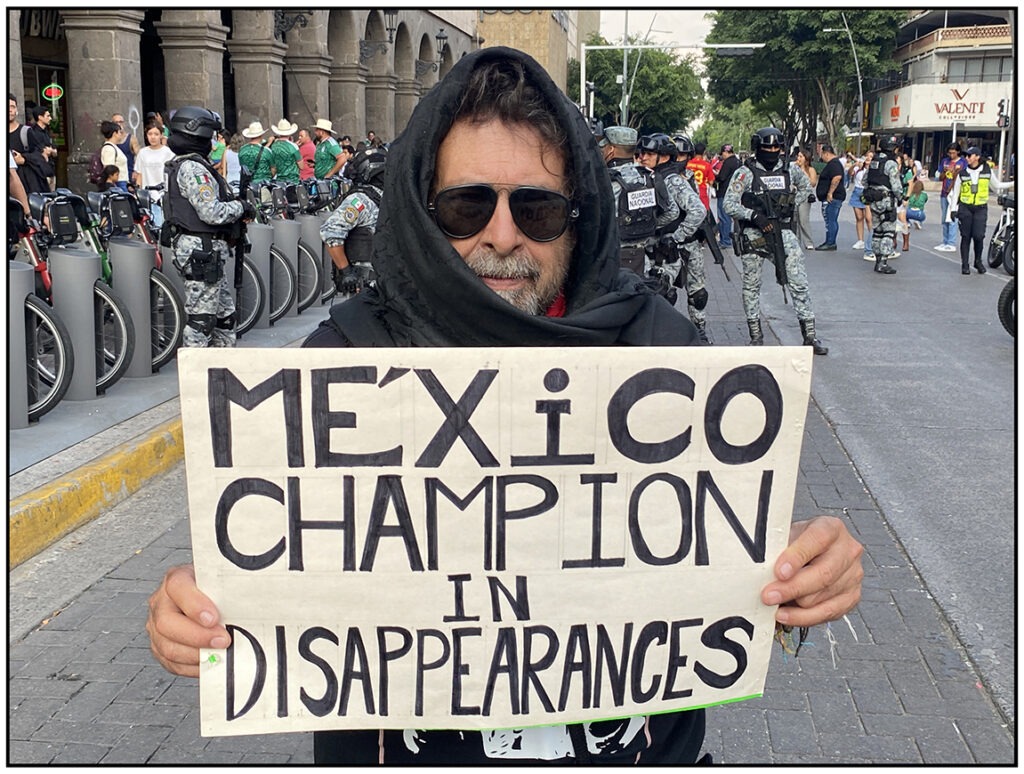
These days, the ball is rolling on the fields of the World Cup stadiums in Canada, the United States, and Mexico, but on the streets of Mexico’s World Cup host cities (Mexico City, Guadalajara, Monterrey) and other cities, the ball has also been rolling—but as a way for groups and organizations to creatively draw attention by collectives and organizations, the various struggles, demands, and social crises currently unfolding in Mexico—such as the crisis of the more than 133,000 disappeared persons, the water crisis, insecurity, the rural crisis, and gentrification, among others—which the government has sought to downplay or conceal under the narrative of a joyful image of all Mexicans in the context of the World Cup. In response, the organizations denounced the systematic criminalization, obstruction, and repression by various levels of the Mexican government of the right to protest and freedom of expression.
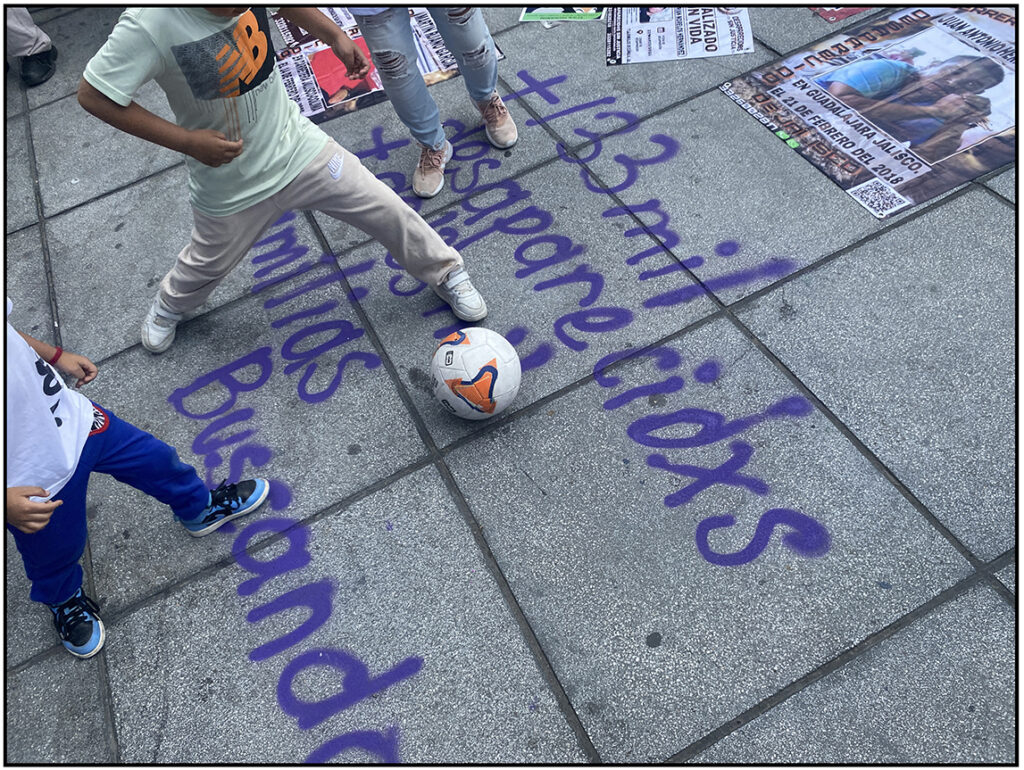
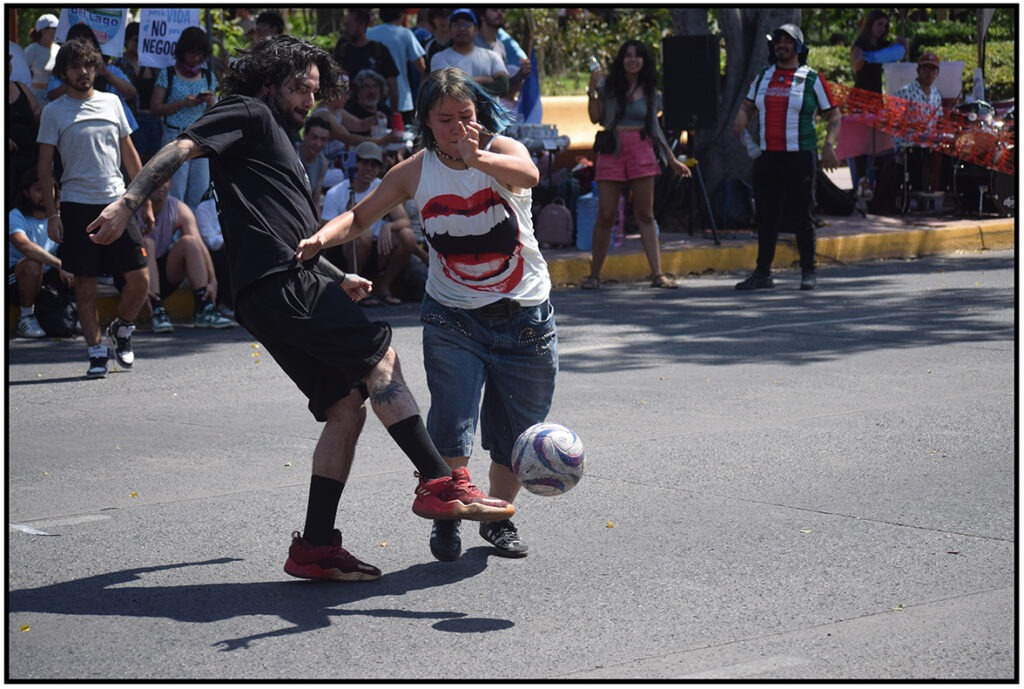
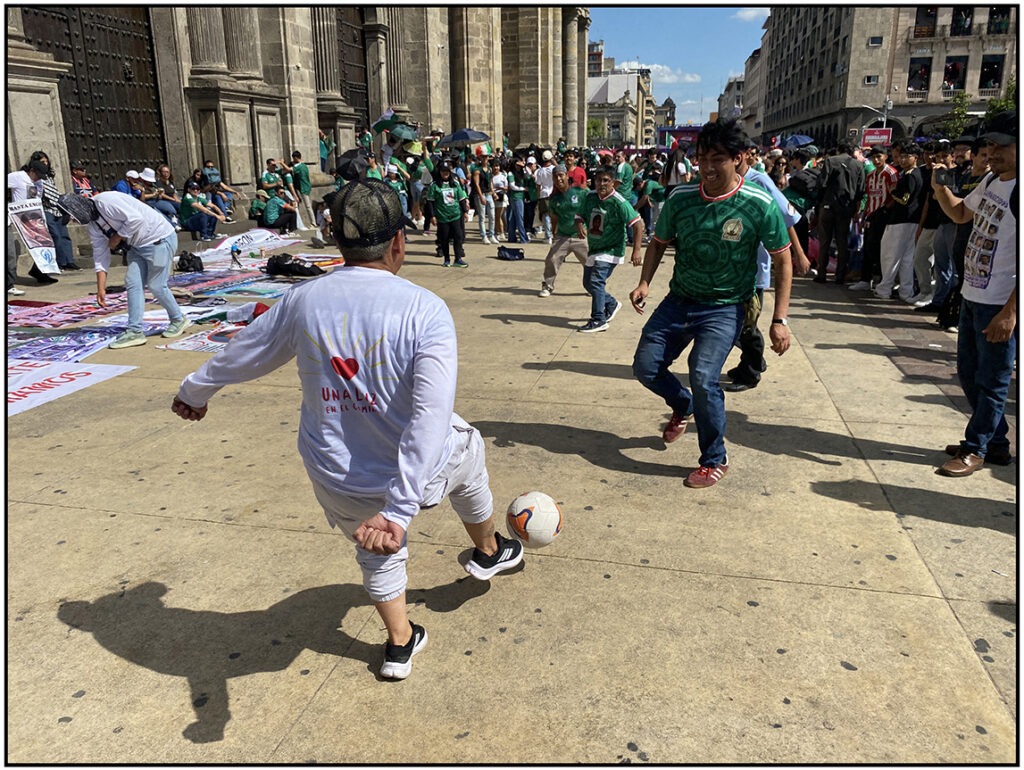
Through the so-called “Anti-World Cup Cascaritas(*)”—which have been organized in the weeks leading up to and during the World Cup in these three Mexican cities and others—soccer is played on the hard pavement of the streets, not on the grand grass fields; the players are not Messi or Cristiano Ronaldo, but members of organizations, collectives, and neighbors in solidarity with the cause; you don’t hear cheers for one country or another, but rather slogans in defense of water, the mothers of the disappeared, the right to housing, and food sovereignty; against the “tarifazo” (sharp fare hike) on public transportation; and expressions of solidarity with Palestine; no one wins the FIFA Coca-Cola trophy; instead, they win the empathy and awareness of a segment of the population regarding their struggles, with the slogan “Less World Cup, More Humanity!”
In Guadalajara, in the state of Jalisco, Héctor, the father of Héctor Daniel Flores Fernández, who went missing on May 18, 2021, says: “We’re not against the World Cup. Go Mexico, go World Cup, but don’t forget us as searching mothers and fathers. We’re not here to spoil the party; we’re here to raise our voices so the government will help us find our children.” Héctor is a member of the Luz de Esperanza Collective, which has organized weekly events—every Sunday, or whenever Mexico plays in the World Cup—called “Cascaritas de la Memoria” near the World Cup Fan Fest area to raise awareness about the crisis of missing persons in Jalisco and nationwide.
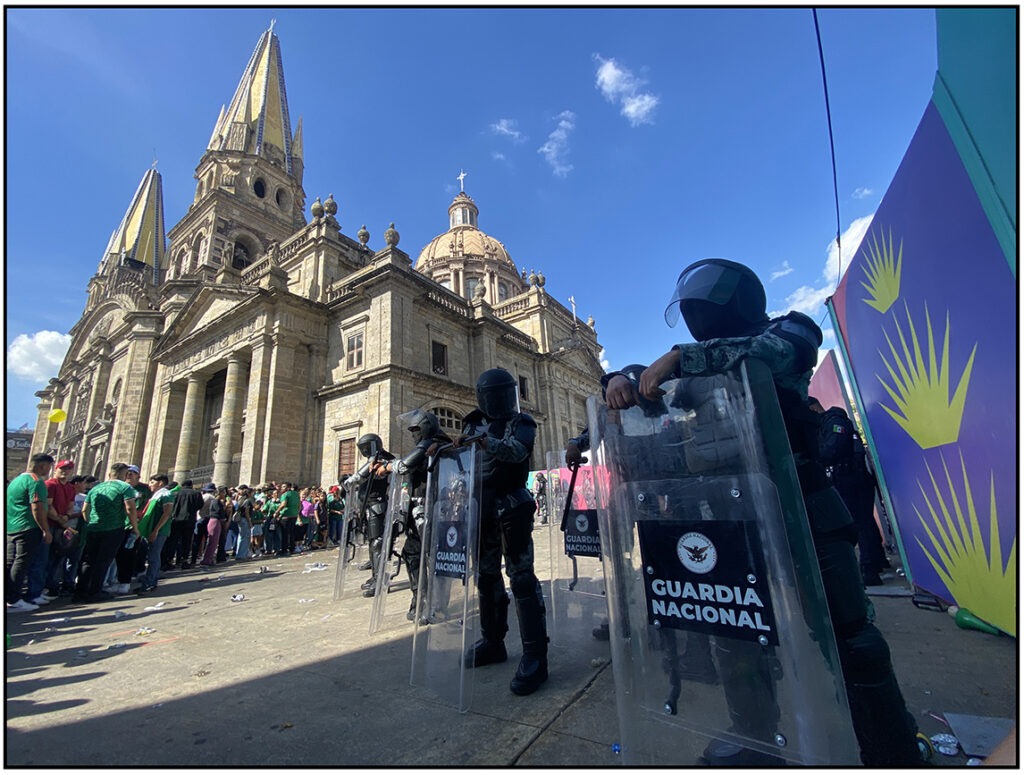
The government’s response…
Empathy is lacking at the government level. The statements made by Mexico’s president, Claudia Sheinbaum, downplaying the demonstrations and social protests following the Mexican national soccer team’s victory in the opening match against South Africa, have struck a deep chord with the groups that have been protesting. The president stated: “Yesterday, there were those who wanted to portray a different image of Mexico, but the image of Mexico is the joy and happiness of the people—of all Mexicans.” “Those who had a hard time are the ones who want Mexico to fail; and those who want Mexico to fail will never have a good time.”
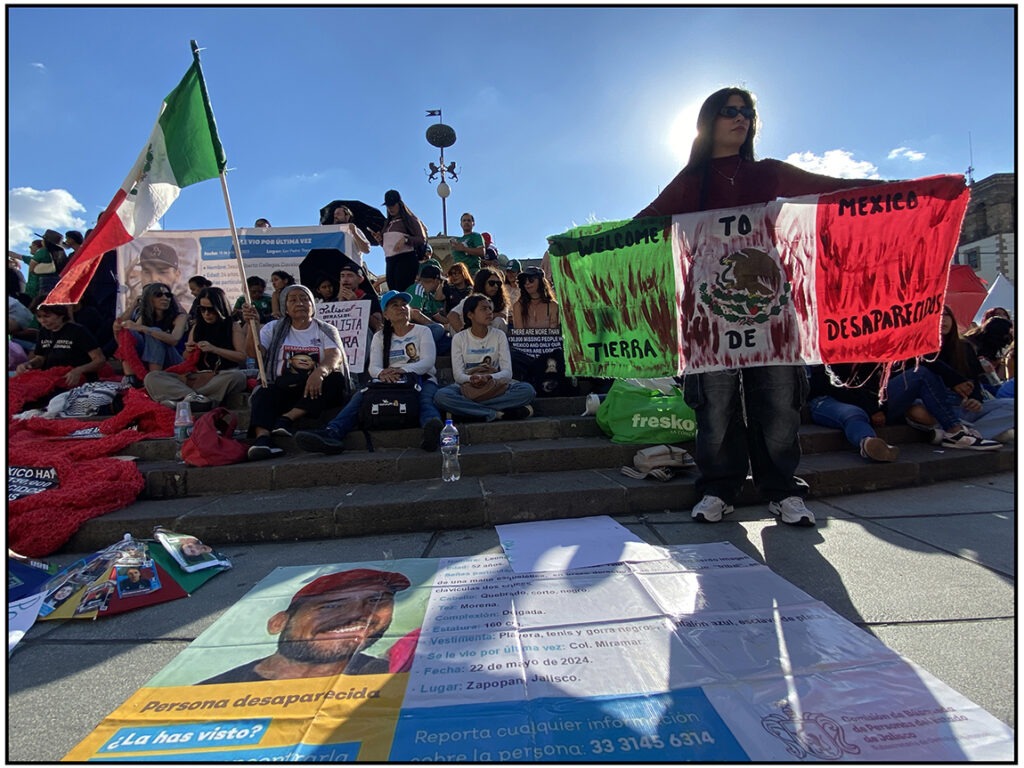
In response to these statements by the president and other officials—such as that of the Secretary of the Interior, who “insinuated that their mobilization (by families searching for missing persons) has ‘intentions unrelated’ to the search for justice”— in a statement, various collectives of families searching for missing persons and solidarity organizations demanded “an end to any action that criminalizes, discourages, or penalizes these families for exercising their right to protest, and a guarantee of the free exercise of that right.” They denounced that in response to the peaceful protests in Mexico City by families searching for missing persons—who were using the World Cup as a platform to denounce a national crisis involving more than 134,000 missing people—the state’s response was systematic: repression by police officers, the encirclement of demonstrations, theft of personal belongings, infiltrators, and criminalization.
For its part, the World Cup Human Rights Observatory—formed by the National Network of Civil Society Human Rights Organizations “All Rights for All” (Red TDT)—expressed concern over the increase, in the run-up to the World Cup, of forced displacement, evictions, persecution of migrants, “social cleansing” of people experiencing homelessness, institutional violence against vulnerable populations, violations of the right to protest and freedom of expression, racism, classism, and increased militarization in the host cities of Mexico City, Guadalajara, and Monterrey, as well as at World Cup camps.
After the first 12 days of the World Cup, they released a report titled “Human Rights Are Not on Hold During the World Cup,” in which they documented “at least 39 incidents related to human rights violations in Mexico City, Puebla, Toluca, and Monterrey” in connection with the World Cup. “The documented findings reveal a troubling trend: the implementation of security, control, and public space management measures associated with the World Cup is having a direct impact on the exercise of fundamental rights.”
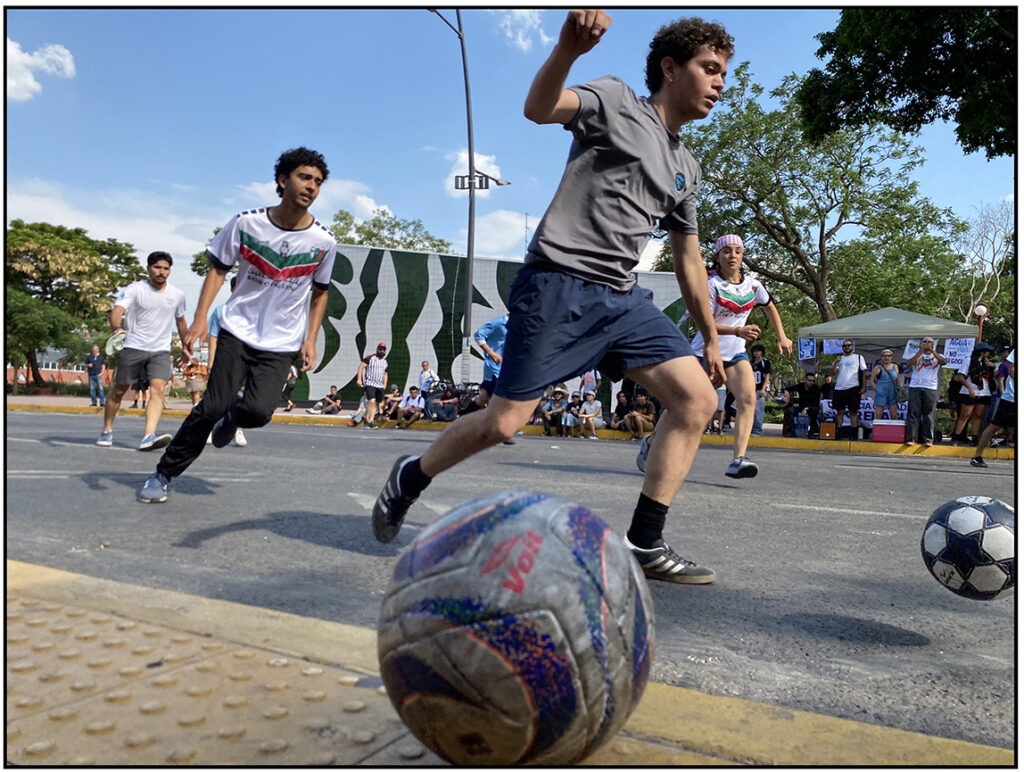
The ball keeps rolling…
Meanwhile, in Monterrey, another World Cup host city, social organizations have held the so-called “Street Soccer Games for the Disappeared and Various Social Struggles” outside the Nuevo León State Legislature, with the aim of “searching for those who are missing, defending freedom, water, and our natural resources, protecting our territories, and demanding a livable city—all of which are part of the same cause: To Live with Dignity.”
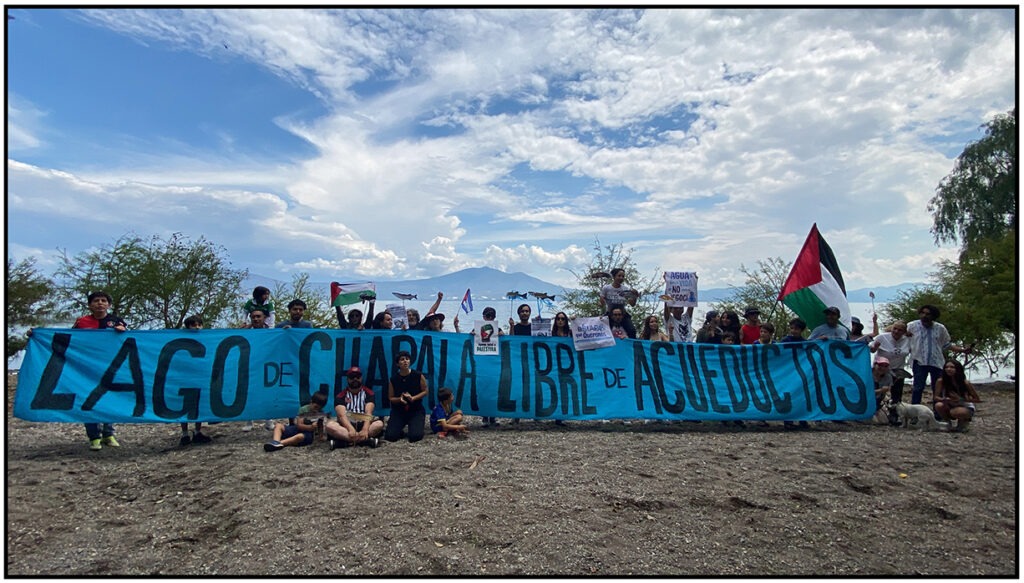
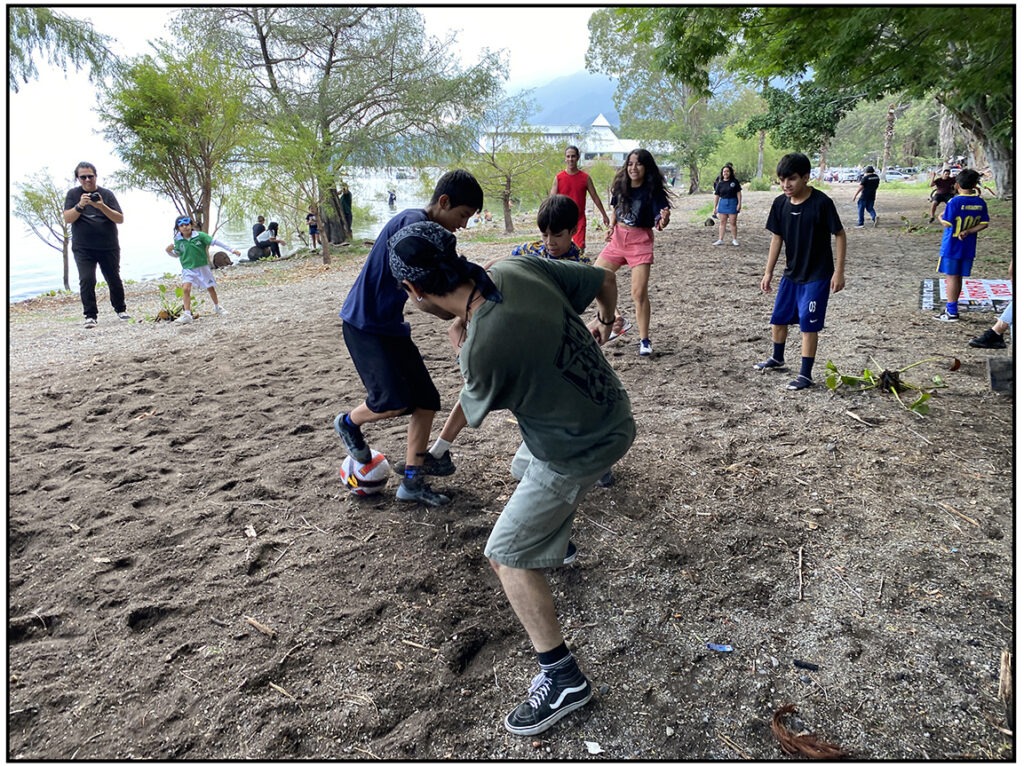
In Ajijic, on the shores of Lake Chapala, very close to Guadalajara, the event known as “Cascarita Ribereña” took place, bringing together residents, organizations, and groups from the shores of Lake Chapala for a day of protest, art-action, and awareness-raising to highlight the problems and risks facing Mexico’s largest lake, due to water overexploitation and infrastructure projects linked to the World Cup, such as “the thousands of people who have died as a result of high levels of pollution in the water, soil, and air.” They also denounced the water health crisis in the Guadalajara Metropolitan Area, which has worsened in recent months to the point that more than 25% of neighborhoods receive murky water from the local supply network, which is why the organizations, through the campaign “The Siapa We Want: Water for Life, Not for Business,” are calling for the declaration of a “public health emergency,” a comprehensive restructuring of the agency, and an end to impunity in corruption cases.
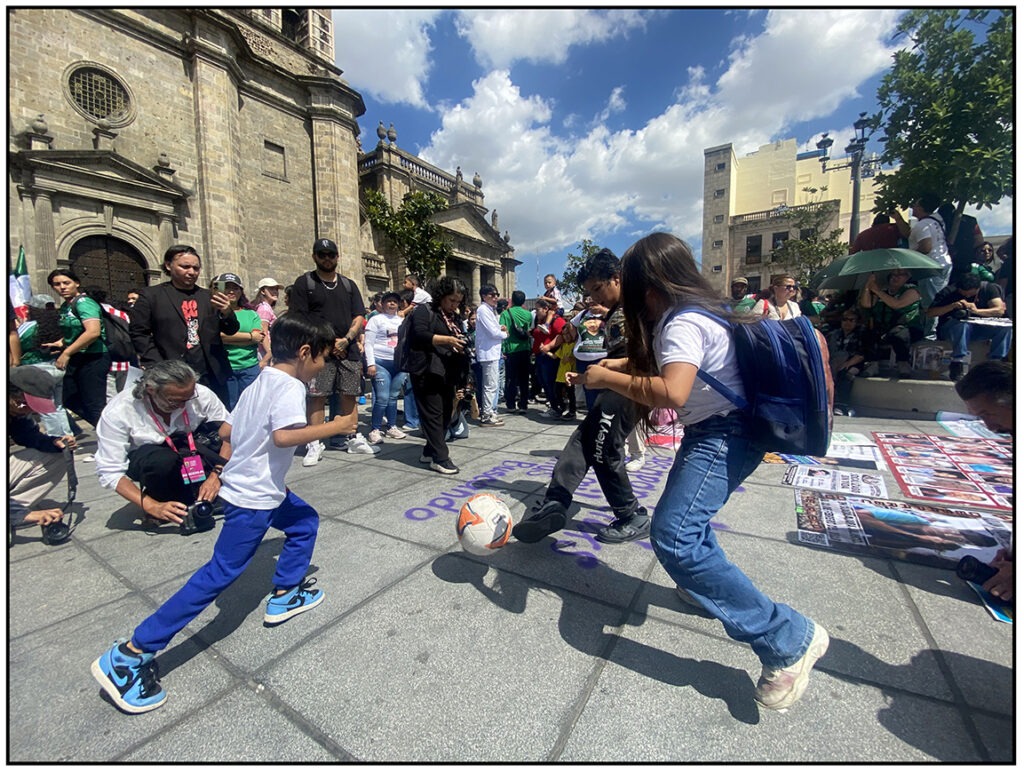
And so, the ball will keep rolling, but the cheers from the World Cup stadiums will no longer be heard; the walls of the Fan Fest areas, heavily guarded by police, will disappear—but the voices that will remain are those of the struggles, growing ever stronger through acts of solidarity and creativity.
(*)Cascarita: An informal or street soccer game played among friends and acquaintances.